Teacher Bunny Easter SVG: A Design Review for Real Projects
First Impressions: Gentle, Sweet, and Professionally Friendly
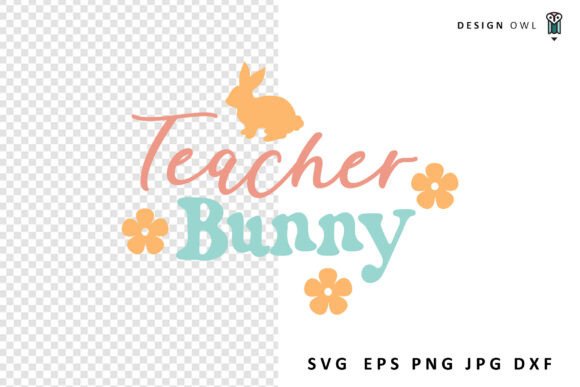
When I open a new design file, my first question is always about the mood it creates. The Teacher Bunny Easter SVG strikes me immediately as gentle and sweet, with a clear, professional-friendly vibe. It’s not an overly cartoonish bunny; the shape and layout suggest a thoughtful balance between holiday cheer and a touch of classroom decorum. This visual personality feels perfect for projects aimed at educators, school staff, or anyone who appreciates a softer, more sophisticated take on Easter themes. The detail level looks manageable—not overly dense—which tells me it’s likely to stitch out cleanly without becoming a thread-heavy burden on lighter fabrics.
The Perfect Project Match: Where This Design Naturally Belongs
In my studio, I’m constantly matching designs to real products. This Teacher Bunny design naturally calls out for personalized gifts and small shop merchandise. I envision it embroidered on a cozy cotton sweatshirt for a favorite teacher, or as a charming centerpiece on a canvas tote bag meant for carrying grade books and Easter treats. It would shine on a baby item, like a knit blanket or a little onesie, for a teacher’s new baby, blending nursery decor with a professional touch. As a patch, it could be applied to a denim apron for a classroom volunteer. The theme makes it a strong candidate for holiday gifts, boutique products around springtime, and even printable mockups for digital product sellers offering teacher-themed collections.
Thinking Through the Stitch: Practical Performance on Real Fabrics
Moving from the screen to the hoop is where a design proves its worth. For custom apparel like t-shirts and sweatshirts, I expect this Teacher Bunny SVG to perform well, provided stabilizer is chosen correctly for the fabric texture. On a standard cotton tote bag, the design should stitch with clarity, enhancing the product’s handmade presentation and perceived value. For caps or hats, which are curved surfaces, I’d pay close attention to the design’s orientation and any detailed corners to ensure they don’t get lost in the stitching process. On baby clothes or thin fabric, I’d be cautious about stitch density—if the design has large fill stitch areas, it could potentially weigh down delicate material, so testing on scrap fabric first is essential.
Careful Considerations: Where to Use This Design with Extra Attention
Every embroidery design has its ideal applications and its tricky ones. For this Teacher Bunny, I’d be thoughtful about using it on very small hoop sizes. If the design includes tiny lettering or intricate decorative accents, those elements might not translate clearly on a miniature scale. Stretchy fabric or dark fabric backgrounds require extra planning; thread color contrast is paramount. On a black sweatshirt, for example, the bunny’s form needs to be defined with sufficiently light or bright threads to maintain visual appeal. Products destined for frequent washing, like kitchen towels or everyday aprons, need a robust stitch structure to endure. I’d review the embroidery file’s stitch construction in my software to gauge its durability for such uses.
From Hoop to Customer: How This Design Affects Your Business
As a designer who also sells finished products, I think about how a design like Teacher Bunny Easter SVG impacts customer trust and engagement. A clean, well-executed embroidery of this theme on a gift creates immediate recognition and giftability. It feels personal and thoughtful, which builds buyer engagement for Etsy sellers and craft fair vendors. For commercial embroidery projects or for small business owners creating branded merchandise for a school event, it offers a cohesive, professional asset. The design’s friendly aesthetic supports brand consistency for a craft business focused on education or family-oriented products. Ultimately, stitching clarity directly influences product value and the customer’s perception of your craftsmanship.
Practical Notes for the Embroidery Designer
Before loading this machine embroidery design onto my machine for a client’s order, I follow a personal checklist. First, I always test the design on a scrap of the target fabric. This reveals any issues with stitch density or thread tension. I check thread color contrast carefully, especially if moving between light and dark fabric backgrounds. I inspect the small details in the file—are there any overly tight corners or potential satin stitch areas that might bunch up? I confirm the hoop size I plan to use is appropriate for the design’s scale. A crucial step is to check the licensing terms provided with the file; confirming whether it’s suitable for both personal and commercial projects is necessary before selling finished items or incorporating it into digital product previews for sale. The included file types—SVG, JPG, PNG, EPS, DXF—are versatile, suitable for use with most software packages, which aids in preparation and mockup creation.
A Real-Life Scenario: Embroidering a Teacher’s Tote Bag
Let’s walk through a typical project. Imagine I’m preparing a custom embroidered tote bag as a spring gift for a teacher. I select a natural canvas bag. Using the Teacher Bunny SVG, I position it centrally. Given the fabric’s texture, I choose a medium-weight stabilizer. I run a test on similar canvas to see how the fill stitch areas lay. The result is a clean, sweet bunny motif that feels both festive and respectful. Stitching it out on the final bag, I notice the design isn’t overly dense, so the bag remains flexible and soft. The finished product looks professional and heartfelt—exactly the combination that makes a handmade product stand out in a small shop or as an Etsy listing. This is the kind of practical outcome I look for in a graphics file: it transitions seamlessly from digital asset to a tangible, valued finished product.
In conclusion, the Teacher Bunny Easter SVG presents itself as a thoughtfully composed design with strong potential for a range of embroidery projects. Its mood is its greatest asset, opening doors to personalized gifts, holiday embroidery, and commercial design assets for creative entrepreneurs. By approaching it with practical embroidery knowledge—testing, checking contrast, and respecting fabric and licensing boundaries—you can transform this digital file into a product that delights both you as the maker and your customers, whether they’re receiving a gift or purchasing a piece of your craft business’s merchandise.