Tas Van De Meester: A Dutch Teacher’s Charm in Embroidery
As someone who has embroidered countless designs for clients and my own craft business, I always approach new files with a practical eye. The Tas Van De Meester Svg Dutch Teacher design landed in my project folder recently, and I immediately started imagining how it would translate from a digital graphic to real stitches on fabric. This isn't about just opening a file; it's about envisioning the finished product—the texture, the client's smile, the way it sits on a tote bag or a child's sweatshirt.
A First Impression: Warm, Whimsical, and Instantly Recognizable
The mood here is distinctly warm and whimsical. The Dutch teacher character has a friendly, almost storybook quality, with a layout that feels balanced and intentional. It’s not an overly complex graphic, which is excellent for embroidery. The detail level strikes a sweet spot: enough personality to be charming, but not so dense that it becomes a stitching nightmare on, say, a textured apron fabric. The visual personality is nostalgic and educational, evoking a sense of care and mentorship. This isn't a generic shape; it's a character with a theme, which means it naturally belongs to projects where that story matters.
The Natural Home for This Design: From Gifts to Merchandise
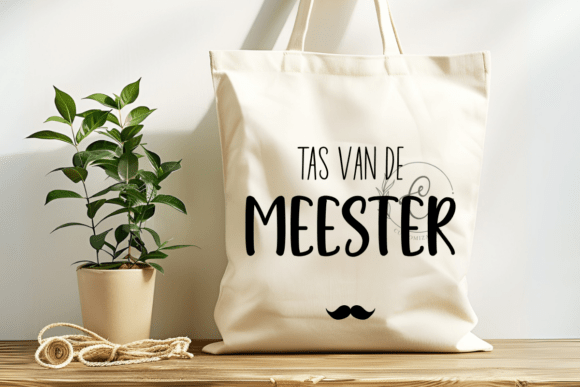
In my mind, I immediately pictured it on a custom embroidered tote bag for a beloved educator—a perfect, practical gift. But its applications go far beyond that single idea. The design's clear, bold shapes make it a strong candidate for sweatshirts, where satin stitch borders would pop beautifully. I considered it for a baby blanket or nursery decor piece, given its gentle theme. As an Etsy seller, I'd see it as a ready-to-list item for personalized pillow covers or kitchen towels, especially around teacher appreciation periods or holidays.
For a small business owner specializing in custom apparel, this could become a staple for school-related merchandise. Embroidered on a cap, it would need some adaptation for the curved surface, but the core shapes are robust enough to handle it. As a patch, it would hold its own, creating a product with substantial handmade presentation. The design's clarity directly boosts perceived product value; a clean, well-executed embroidery of this graphic communicates professionalism and care, which builds customer trust and engagement.
Where the Design Thrives and Where It Needs Care
Let's talk real-life embroidery situations. On stable fabrics like canvas for tote bags or mid-weight cotton for sweatshirts, this design should perform beautifully. The areas look manageable for fill stitches without excessive density, which is good for fabric integrity and washing durability. On dark fabric, with careful thread color contrast planning—bright, contrasting threads—it would maintain excellent stitching clarity.
However, there are places to proceed with caution. On very small hoop sizes, the smaller details and any potential tiny lettering (if present in the SVG's text elements) could become challenging, requiring precise machine settings and stabilizer. Textured or stretchy fabrics, like certain knits, would demand a robust stabilizer strategy to prevent distortion of those clean shapes. Thin fabrics would need a light touch to avoid puckering.
For products destined for frequent washing, like baby clothes or kitchen towels, the stitch density and thread choices become critical. I’d test it on scrap fabric first to ensure the fill areas aren't so dense that they stiffen the material. The design's appeal relies on its visual charm, so preserving that on the final product is key for giftability and brand consistency for a seller.
Practical Notes for the Embroidery Designer
Before running this machine embroidery design for a client project or your own craft business products, do your homework. Always test on scrap fabric identical to your final project fabric. Check thread color contrast against both light and dark backgrounds—create simple black and white mockups to see the shape’s integrity without color. Review the actual stitch density in your software preview; a well-digitized file will show balanced fills.
Confirm your hoop size can accommodate the design comfortably, leaving room for stabilizer. Inspect any small details or corners to plan your stitching order. Crucially, for commercial embroidery or selling finished items like embroidered patches or boutique products, confirm the licensing terms of this digital embroidery file. The product description notes it's a digital file for cutting machines, but for embroidery use, you must ensure the license covers your intended commercial application. Never assume.
Turning a Graphic into a Beloved Finished Product
The Tas Van De Meester Svg Dutch Teacher design, from a Crafts and Graphics category, has the foundational qualities that make a digital asset worthwhile: clear theme, balanced layout, and adaptable personality. Its success in an embroidery project hinges on the maker's skill and preparation—the right stabilizer, the right fabric pairing, the right thread palette.
For the creative entrepreneur, this isn't just a file; it's a potential product line. Embroidered on a high-quality tote, it becomes a boutique product. On a child's sweater, it's a personalized gift with deep meaning. In your Etsy listing photos, a well-embroidered sample creates a professional, trustworthy preview that drives buyer engagement. The design itself doesn't create value; your careful execution of it does. That's the real craft.