A Designer’s Review: The "Thank You Gift for Teacher" Embroidery File
When a new embroidery design lands on my screen, my first question isn’t just about its looks. It’s about its life: how will it stitch out on real fabric, how will it feel in a customer’s hands, and does it have the practical grace to become a cherished finished product? Today, I’m looking at the "Printable Thank You Gift for Teacher PNG," a design squarely aimed at one of the most heartfelt niches in custom gifts.
The First Impression: Warm, Clear, and Gift-Ready
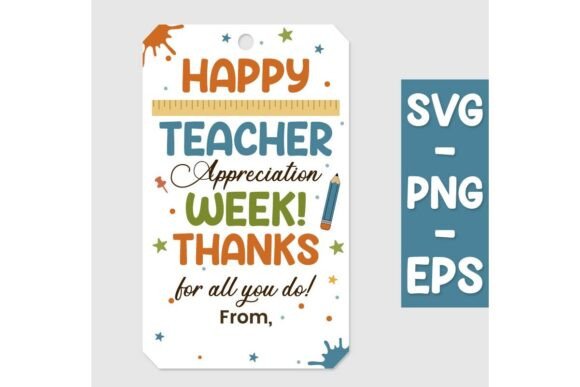
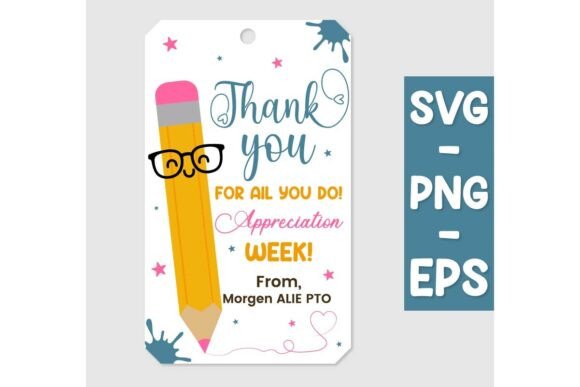
The design immediately communicates a warm, appreciative mood. It’s not overly ornate or playful; it leans toward a clean, sincere visual personality. This is a smart choice. For a teacher appreciation gift—whether for the end of the school year or a special week—the sentiment needs to be front and center, not buried in decorative complexity. The layout and shape suggest it will translate well into embroidery, with elements that appear designed for clear stitch definition rather than just digital flair. My designer’s eye sees this naturally belonging to embroidered totes, classic sweatshirts, or perhaps a neat patch on a denim jacket—items that carry a personal touch without feeling fussy.
Real-World Embroidery: Where This Design Thrives
Let’s picture a real scenario. I’m preparing a custom order for a client who wants a unique gift for their child’s kindergarten teacher. They’ve chosen a high-quality canvas tote bag. Using this "Thank You Gift for Teacher" as the embroidery file, the project’s success hinges on how the design performs from machine to fabric.
On stable, medium-weight fabrics like tote bag material, cotton twill for aprons, or fleece for pillow covers, this design should stitch out with reliable clarity. The likely use of satin stitches for key lettering and fill stitches for larger shapes means it will build a solid, tactile presence perfect for a handmade product. For small business merchandise—think Etsy listings or craft fair products—this design adds value through its universal appeal. Embroidered onto a simple tea towel or a baby’s blanket as a "thank you" from a parent, it elevates a basic item into a personalized gift with a professional finish.
It’s also a strong candidate for digital product sellers and creative entrepreneurs. As a graphics asset, it can be used in printable mockups to showcase potential finished products, helping buyers visualize the embroidery project before purchase. For apparel decorators adding it to sweatshirts or caps, its thematic focus ensures customer recognition and engagement—people instantly understand the gift’s purpose.
Careful Application: Points to Consider Before Hooping
Not every design is suited for every surface, and a practical review means noting where caution is needed. Based on its typical composition, there are a few areas where I’d advise careful testing.
If the design contains small lettering or detailed corners, these areas will need attention on textured fabrics like thick towels or on curved surfaces like caps. Stitch density matters here; too dense on a stretchy fabric like a t-shirt could lead to puckering. On dark fabric backgrounds, thread color contrast is paramount—a test on scrap fabric first is non-negotiable to ensure the message pops. For products destined for frequent washing, like baby clothes or kitchen towels, reviewing the stitch integrity and using proper stabilizer during the embroidery process is key to longevity.
Also, while the design category is crafts and the type is graphics, its application spans personal and commercial embroidery. Before selling finished items, one must always confirm the specific licensing terms of the digital embroidery file. The provided description hints at versatility, but the exact permissions for commercial use need to be verified by the user.
How This Design Lifts Your Creative Business
From a business perspective, using a well-executed design like this affects more than just the stitch. It influences visual appeal and stitching clarity, which in turn bolster product value and customer trust. A clean, heartfelt embroidered gift presented in your handmade shop or boutique speaks to brand consistency and professionalism. It feels giftable—a complete, thoughtful object rather than just decorated apparel. For the maker, it saves design time, allowing focus on production quality.
Practical Notes for the Embroidery Designer
Before loading this file for a client’s tote bag or your own small shop product, here’s my standard checklist. It’s the routine that separates a good result from a great one.
- Always test the design on a scrap of your target fabric first. This reveals everything about tension and density.
- Check thread color contrast against both light and dark fabric backgrounds. Sometimes a digital preview doesn’t tell the full story.
- Review the required hoop size. Does the design fit comfortably on your project’s intended area? For smaller items like baby bibs, a large design might need scaling.
- Inspect the small details in a black and white mockup. This helps isolate potential problem areas in fine lines or corners.
- Use the appropriate stabilizer for your fabric type. This is the unsung hero of embroidery clarity.
- Finally, confirm whether the design’s licensing covers your use case—personal gift, commercial embroidery project, or as part of your digital product offerings.
The "Printable Thank You Gift for Teacher PNG" strikes me as a practical, emotionally resonant graphics tool for makers. It’s not a flashy, complex piece, but in the world of embroidery, that’s often a strength. It provides a clear, stitchable sentiment that, when executed well on the right product, becomes more than a design—it becomes a meaningful keepsake. For the designer, crafter, or small business owner looking to create a genuine thank you, it’s a solid foundation to build upon.