How the 100 Days of School & Chaos SVG Translates to Stitched Reality
The Immediate Visual Mood
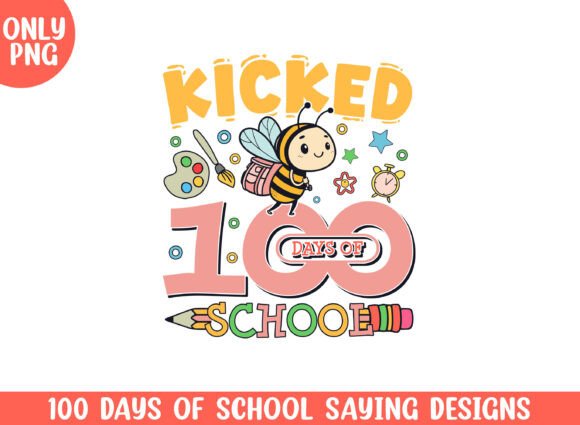
Opening the 100 Days of School and Chaos SVG file, my designer's brain immediately starts picturing it in thread. The composition has a wonderfully balanced, chaotic charm. It’s not a stiff, formal layout; it feels playful and relatable. The intertwined elements of celebration and honest pandemonium create a visual personality that’s perfect for commemorating that huge milestone—100 days of school—with a wink. For embroidery, this means the design isn’t just text and a number; it’s a scene. It naturally suggests a project that tells a story, making it far more engaging than a simple graphic.
Where This Design Naturally Belongs
In my hands, this becomes more than a digital product. I’m mentally placing it on fabrics. A custom embroidered tote bag for a teacher feels like a perfect fit—the design’s scale and detail would pop beautifully on canvas. I’m also seeing it on the back of a cozy sweatshirt for a parent, a celebratory patch on a child’s backpack, or even as a featured piece on a kitchen towel for that household surviving the school-year chaos. Its theme makes it a strong candidate for personalized gifts, especially within the niche of school-related celebrations. For a small business owner focusing on teacher gifts or parent appreciation merchandise, this SVG offers a ready-made, high-concept embroidery file.
Scaling Up for Impact
Thinking about commercial embroidery or larger items, this design would excel on pillow covers or a nursery decor piece for a teacher’s home. The “chaos” element, rendered in stitch, adds a layer of humor and authenticity that buyers connect with. It doesn’t feel generic. When I imagine it stitched, I think about using a crisp satin stitch for the primary lettering and a textured fill stitch for the supporting elements to give it depth. This approach would make the finished product feel valuable and carefully crafted.
Practical Considerations for Stitching Success
Now, let’s talk about the real-life embroidery situation. A practical review means thinking about where this design should be used carefully.
- Small Hoop Sizes: The detail level and likely text portions mean you’d want to avoid very small hoop sizes. Shrinking it down too much for a cap’s curved surface could make smaller details, like the “chaos” elements, lose clarity and become a muddle of stitches.
- Fabric Choice: Textured or very stretchy fabrics might require extra attention to stabilizer to keep the design’s shapes sharp, especially any enclosed areas. On dark fabric, a thorough test of thread color contrast is essential—some lighter or finer lines in the design might need bold, opaque thread choices to stand out.
- Stitch Density: Without specific counts provided, a key step is always to test the design on scrap fabric first. This lets you review the stitch density for your chosen fabric weight. A very dense fill in a large area on a thin t-shirt could lead to puckering, whereas on a tote bag it would be fine.
Adding Value to Your Craft Business
From a maker’s perspective, how does the 100 Days of School and Chaos SVG affect your product? When stitched well, this design boosts visual appeal through its thematic richness. It feels like a complete thought, not just a logo. That increases perceived value. For an Etsy seller or boutique, offering this on a high-quality embroidered item like a tea towel or apron tells a customer you understand their world—the school life chaos. That builds trust and engagement. The handmade presentation gains a layer of cleverness.
It’s also a versatile design asset for creating printable mockups for your shop or for direct machine embroidery design application. It fits into a brand that’s humorous, family-oriented, or education-focused.
A Real Project Scenario: The Teacher Tote
Imagine a common project: a custom teacher appreciation tote. You’ve sourced a sturdy canvas bag. Hooping it securely, you stitch the 100 Days of School and Chaos SVG. The satin stitch borders come out smooth, the fill stitches in the decorative elements provide a nice tactile contrast. The final result isn’t just a bag; it’s a gift that acknowledges both the achievement and the hilarious reality. That’s the kind of finished product that gets re-shared and remembered—and it starts with a well-conceived digital file like this one.
Designer Notes for a Smooth Project
Before you commit to a final product, here are my practiced notes:
- Always, always test on a scrap of your intended project fabric first. This is non-negotiable.
- Check how the design looks in both black and white digital mockups to preview its form on light and dark backgrounds.
- Pay close attention to any tiny lettering or intricate corners when you preview the file in your software. These areas might need slight manual adjustment or a choice of a simpler stitch type like a running stitch for clarity.
- Confirm the licensing terms for this digital product. The listing provides SVG and EPS files, which are standard for vector graphics, but ensure you understand the license before selling finished items or commercial embroidery projects.
- Use proper stabilizer for your fabric type to maintain the design’s integrity, especially if it includes dense areas.
- For items like baby clothes or blankets that need frequent washing, consider how the stitch density and coverage will hold up over time. A well-stitched, stable design on a good fabric should endure.
The Final Stitched Impression
Evaluating the 100 Days of School and Chaos SVG from the point of view of actual embroidery work, I see a design with strong application potential. Its playful, thematic composition translates into embroidered items that feel thoughtful and specific. It’s more than a graphic; it’s a conversation starter in thread. For crafters, apparel decorators, and creative entrepreneurs, it provides a foundation for products that resonate on an emotional level—celebrating the milestone while laughing at the journey. That’s a valuable combination in the world of handmade and personalized gifts. Your job as the maker is to bring it to life with careful technique, appropriate materials, and an understanding of where it will shine brightest.