School Days Rock: A Designer's Hands-On Review
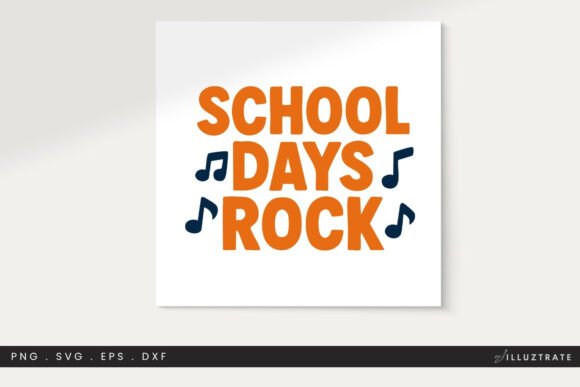
When I pull up an embroidery file to consider for a client project or my own small shop inventory, I’m looking past the digital preview. I’m picturing the final, stitched-out product: how it will feel on fabric, how a customer will react to it, and whether it genuinely adds value. That’s the lens through which I’m evaluating the School Days Rock SVG Cut File today.
The Immediate Mood & Where It Belongs
First impression? This design is a playful, confident nod to classic education with a rock-and-roll heart. The layout balances that retro schoolhouse feel with a bold, almost rebellious energy. The detail level—from the likely layered shapes to the implied texture in the lettering—suggests it’s built for impact rather than subtlety. This isn’t a tiny, delicate motif; it’s a statement piece. Visually, it feels like it belongs on items meant to be worn or displayed with pride: a custom sweatshirt for a teacher, a tote bag for a crafty student, or a pillow cover in a cozy, book-filled den.
A Real Project Scenario: The Custom Teacher Tote
Imagine I’m preparing a custom embroidered tote bag as a holiday gift for a boutique client—a teacher who runs a classroom with a bit of punk rock flair. I’m thinking through how School Days Rock would translate. The bold, clear shapes are promising; they should satin stitch or fill stitch beautifully without getting lost in the canvas fabric’s texture. The theme hits that perfect sweet spot between personalization and universal appeal. I can already envision the finished product: not just a bag, but a conversation piece that feels handmade and thoughtful.
Performance Across Real Embroidery Situations
For apparel decorators and small business owners, versatility is key. This design’s strength lies in its scalable, likely clean-cut outlines, making it a candidate for a wide range of projects.
On custom apparel like sweatshirts and t-shirts, the rock-and-roll vibe would resonate, especially if stitched in vibrant, contrasting thread colors. It has the presence to stand alone as a central chest or back design.
For handmade products like patches, aprons, or pillow covers, its thematic clarity adds instant value. A patch with this design feels ready for a backpack or jean jacket, telling a clear story.
In the realm of personalized gifts and small shop merchandise—think embroidered baby items for a music-loving family or kitchen towels for a quirky cafe—it offers that recognizable, giftable charm. It could elevate a simple product into something that feels bespoke and brand-consistent for a creative entrepreneur.
And for digital product sellers, the included file formats are crucial. Having SVG, DXF, EPS, and PNG means you can create clean printable mockups for your Etsy listings or craft fair previews, showing potential buyers exactly how it would look as a finished embroidered product.
Where to Exercise a Bit of Caution
Even with a promising design like this, practical judgment is needed. The bold shapes are an asset, but I’d be mindful in a few specific applications.
- Very small hoop sizes might compress the details; it feels like a design that needs a medium to large area to breathe.
- On highly textured or stretchy fabrics like certain knits, careful stabilizer choice would be essential to maintain the crispness of those angular elements.
- Dark fabric backgrounds require thoughtful thread color selection to ensure the "school days" theme remains bright and readable.
- Curved surfaces like caps can be tricky; the design’s layout would need to be tested to ensure it contours well without distortion.
- If the design contains any tiny lettering or extremely dense stitch areas, those would be points to inspect closely before committing to a commercial embroidery run.
Products destined for frequent washing, like baby clothes or kitchen towels, would also benefit from a stitch density check to ensure long-term durability.
How This Design Influences Buyer Perception
From a business standpoint, using a well-executed embroidery file like this affects more than just aesthetics. When a customer sees a finished sweatshirt or tote with this design, the stitching clarity and visual appeal directly translate to perceived product value. It builds customer trust—they see a professional, clean result. For handmade presentation, it offers a cohesive, recognizable look that can strengthen your brand consistency. Its giftability is high because the theme is both fun and sentimental. Ultimately, it’s a design that engages buyers because it tells a clear, energetic story.
Practical Notes for the Embroidery Designer
Before hooping up any fabric for a real project with School Days Rock, here’s my standard practice checklist, which I’d apply here:
- Test on scrap fabric first. Use the same material and stabilizer you plan for the final product. This reveals how the shapes actually stitch out.
- Check thread color contrast. Run mental (or actual) mockups on both light and dark backgrounds to plan your palette.
- Review the design’s stitch density in your software. This helps anticipate puckering or stiffness on delicate fabrics.
- Confirm your intended hoop size accommodates the entire design comfortably, preserving all details.
- Inspect any small details closely. Are corners clean? Are lines distinct enough for smooth running stitches?
- Consider the project’s end use. Is this for a personal gift or a commercial embroidery product you’ll sell in your small shop? Always verify the licensing terms provided with the file to ensure your use is covered.
A final, crucial note: while the product description mentions high-quality cutting files, as an embroidery designer, I don’t invent specifics like exact stitch counts or machine compatibility unless they’re clearly provided. My advice is always to check those details with the file creator or in your embroidery software before starting production. That’s the professional, realistic approach that ensures your finished product—whether it’s an embroidered patch, boutique merchandise, or a personalized holiday gift—meets the high standard your customers expect.