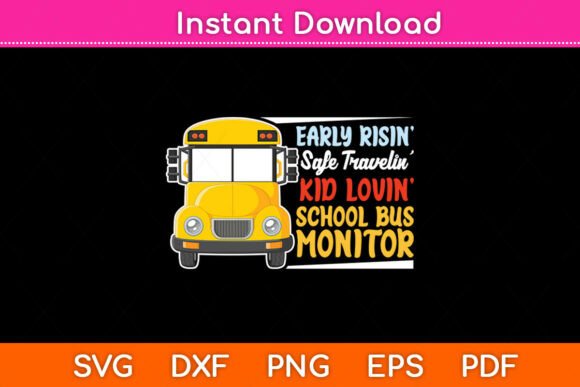
A Designer’s Take on the Early Risin Safe Travelin Kid Lovin Design
Whenever I’m evaluating a new embroidery design for real project use, my first question is always about character. Does this design have a distinct visual personality that will translate well from the digital file to the stitched fabric? With Early Risin Safe Travelin Kid Lovin, the answer is a clear yes. The title itself evokes a warm, dependable mood—a blend of cheerful dedication and gentle humor. This isn’t just a graphic; it’s a narrative snippet perfect for honoring someone who plays that important role in our communities.
The Feel and Place of This Design in Your Project Lineup
The layout and theme have an immediate, friendly appeal. It suggests a handmade product that’s personal and appreciative. For embroidery, this kind of design naturally belongs to projects meant as gifts or as custom, value-added merchandise. I picture it embroidered on a cozy sweatshirt for a retiring school bus driver, or as a sweet, personal touch on a tote bag for a teacher. The detail level appears balanced—not overly dense, which is good for clarity, but with enough character to feel substantial when stitched. In my mind, it fits perfectly into categories like personalized gifts, boutique nursery decor (think a pillow for a driver’s grandchild), or small shop merchandise for a craft business focusing on appreciation themes.
Where This Design Will Stitch Up Beautifully
In practical use, Early Risin Safe Travelin Kid Lovin has broad potential. For custom apparel, a left-chest placement on a polo or a centered design on a hoodie would work wonderfully. It would make a standout embroidered patch that could be applied to a cap or backpack. For home goods, consider it on a kitchen towel or apron for someone who loves the theme, or as a focal point on a pillow cover. The sentiment is strong for holiday gifts—perhaps a Christmas gift for that special driver. For Etsy sellers and digital product sellers, this design is a solid design asset for creating printable mockups for baby clothes or tote bags, instantly boosting the perceived value of your listings.
Scenarios That Demand a Bit More Care
While the design feels versatile, a professional designer always considers the edges. The lettering, if it includes smaller script, will need attention on textured fabrics like some sweaters or on curved surfaces like caps. Test it first on scrap fabric of the same type. On thin or stretchy fabric, proper stabilizer is non-optional to prevent puckering. For dark fabric backgrounds, thread color contrast is crucial—you might need to adjust planned colors for optimal clarity. If you’re considering very small hoop sizes for tiny items, inspect the small details in a test run to ensure they remain clean and legible. And for products destined for frequent washing, like baby clothes or kitchen towels, reviewing stitch density in your test will help ensure longevity.
The Impact on Your Work and Your Customer
Using a design with this clear personality affects more than just the stitch. It boosts visual appeal by telling a story, which in turn enhances product value. For a customer, it builds customer trust because it feels thoughtfully chosen, not generic. The handmade presentation becomes more meaningful, which is key for giftability and buyer engagement. If you run a small shop, incorporating such designs can strengthen brand consistency if your niche is appreciation or family-oriented themes. It has immediate recognition, which helps in commercial embroidery projects for corporate gifts for transportation companies, for instance.
Practical Notes from the Embroidery Desk
Before you run this embroidery file on a final project, here are my always-recommended steps. First, test the design on scrap fabric. This reveals everything: how the satin stitch or fill stitch areas behave, whether any corners are too sharp, and how the overall stitch density sits on your material. Second, check thread color contrast against both light and dark fabric backgrounds—sometimes a digital preview doesn’t capture real-life luminance. Third, confirm your hoop size and machine settings; a stable hoop is half the battle. Fourth, inspect the design in a simple black and white mockup; this helps you see the pure structure without color distractions.
Finally, and this is critical for creative entrepreneurs and commercial embroidery: check whether the design works for both personal and commercial projects. The product description states it’s a file for cutting machines, but for embroidery, you must confirm licensing before selling finished items or digital products. Do not assume. Verify the terms for the specific machine embroidery design or applique design usage. This protects your craft business and maintains professionalism.
In essence, Early Risin Safe Travelin Kid Lovin is a design with heart and clear application. It invites a thoughtful approach to your embroidery project, promising a finished product that feels personal and well-crafted. By applying these practical judgments, you ensure that the charming digital graphic becomes an equally charming stitched reality.