A Designer's Take on 4th of July Teacher Teach America SVG
The First Impression: Patriotic, Personal, & Perfectly Balanced
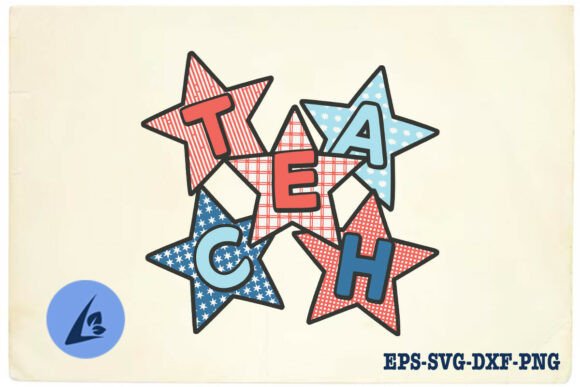
When I first opened the 4th of July Teacher Teach America SVG, my immediate thought was, "This is a gift-ready design." It doesn't scream with overwhelming detail; instead, it feels balanced and heartfelt. The theme merges patriotic pride with a personal touch for educators, creating a mood that’s celebratory yet sincere. The layout is clean, with elements that promise good stitch definition. This isn’t a chaotic, overly intricate graphic; it’s a design that naturally belongs on a custom tote bag for a favorite teacher or a cozy sweatshirt meant as a holiday gift.
Where This Embroidery Design Shines in Real Projects
Thinking through my current client projects, this design fits beautifully into several niches. For a boutique specializing in personalized gifts, it could be a standout on embroidered pillow covers or tea towels for teacher appreciation week leading into Independence Day. As an apparel decorator, I envision it on a high-quality polo shirt or a crisp apron—items that speak to professionalism and care. The "Teach America" sentiment has a broad appeal, making it a strong candidate for small business merchandise at craft fairs, especially for Etsy sellers focusing on educator gifts or patriotic decor.
For baby items or nursery decor, scaled appropriately, the design’s clear shapes could become a sweet, patriotic keepsake when embroidered on a blanket. As a patch, it would hold its own on a backpack or a denim jacket. In all these cases, the design’s visual personality—respectful and festive—enhances the product's value and giftability. It feels crafted, not generic, which builds customer trust and elevates a handmade presentation.
A Real Scenario: The Custom Teacher Tote
Let's walk through a typical use. I'm preparing a custom embroidered tote bag for a client who wants to thank her child’s kindergarten teacher. I load the 4th of July Teacher Teach America SVG into my software. My primary concern is stitch clarity, especially on the likely canvas or cotton fabric. The design’s elements appear well-spaced, suggesting that satin stitch borders and fill stitch areas won’t bleed together, preserving readability. I’d choose thread colors that pop against the fabric—classic red, white, and blue with a crisp contrast. The finished product wouldn’t just be a bag; it would be a recognizable, professional-looking tribute that engages the buyer and recipient emotionally.
Practical Considerations & Where to Use Caution
This design, while clean, demands thoughtful application. On small hoop sizes, any tiny lettering or detailed corners might become lost or choppy. Embroidering on textured fabrics like some sweaters or on stretchy fabrics requires a robust stabilizer to maintain the shape’s integrity. On dark fabric backgrounds, you must ensure your thread color palette is sufficiently luminous; a white fill stitch area on a navy sweatshirt needs perfect density to look sharp.
Curved surfaces, like caps, present a challenge. The design’s layout might need adjustment to sit correctly on the crown without distortion. For products destined for frequent washing, such as kitchen towels or baby clothes, I’d test the stitch density first on scrap fabric to ensure it holds up without excessive wear. The key is to treat this embroidery file not as a one-size-fits-all solution, but as a versatile design asset that requires adaptation for each specific finished product.
How It Affects Your Craft Business & Professional Results
Using a design like this commercially impacts more than just the stitch. It affects your brand consistency. If your small shop specializes in patriotic or educator-themed items, this SVG becomes a cohesive part of your collection. For digital product sellers creating printable mockups, the high-resolution nature mentioned in the description is crucial for showcasing the potential. In embroidery, the final stitch clarity directly translates to perceived professionalism. A crisp, clean rendition of this design on a sweatshirt looks premium; a blurry, dense one looks amateur.
Customer reactions are often tied to these details. A parent receiving a beautifully embroidered baby item with this design sees the care taken. An Etsy seller can leverage that quality in their listings to stand out. It’s about transforming a digital embroidery file into a tangible product that feels special and well-made.
Essential Designer Notes Before You Stitch
Before I run this design on any machine, my routine is rigorous. First, I always test on scrap fabric of the same type I’ll use for the final project. This checks stitch density and thread color contrast in real light. I review the design in my software, inspecting small details for potential stitch buildup. I confirm the hoop size needed and ensure my stabilizer choice matches the fabric texture—non-woven for stable cotton, cutaway for stretchy knits.
I also create simple black and white mockups to see how the design reads without color, comparing its impact on both light and dark background ideas. Crucially, I verify the licensing terms provided with the file. Before selling any finished product or using it in commercial embroidery projects, I need to know if my intended use is permitted. The product description mentions digital files for DIY printables and personalized party decorations, so I would seek clear confirmation on commercial use for embroidered goods. Never assume.
The Final Verdict: A Versatile Foundation for Meaningful Work
The 4th of July Teacher Teach America SVG strikes me as a strong foundation design. It’s not overly complex, which means it’s adaptable. Its strength is in its theme and balanced composition, offering embroidery designers and makers a reliable starting point for creating personalized gifts and small shop merchandise that resonate. When handled with practical care—proper testing, thoughtful fabric choice, and attention to stitching details—it can produce finished products that look professional, feel heartfelt, and successfully bridge the gap between craft and commerce.