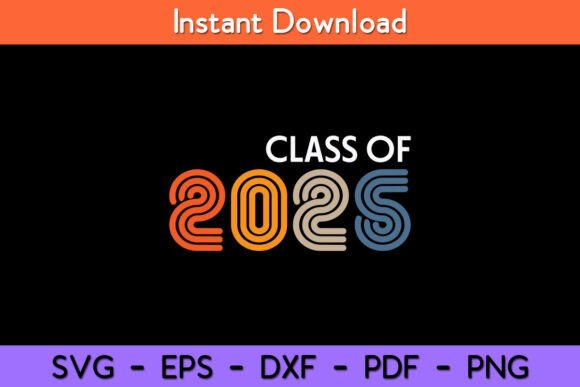
A Designer's Review: The 'Class of 2025' Graduate Embroidery Design
When a new embroidery file lands in my library, I’m not just looking at the preview image. I’m imagining it stitched out, on real fabric, in a real project for a real client. That’s the lens I’m using today with this ‘Class of 2025 College University High’ design. It’s a digital file squarely in the crafts and graphics space, but its real value lies in what it becomes as a finished, embroidered product.
First Impressions: Clean, Celebratory, and Versatile
Right off the bat, this design feels optimistic and clean. The layout has a classic, celebratory mood—it’s clearly a milestone marker without being overly flashy. The visual personality is friendly and academic, which makes it a natural fit for personalized gifts and custom apparel. I can immediately picture it on the front of a relaxed-fit sweatshirt or centered on a sturdy canvas tote bag. The detail level appears balanced; it doesn’t look overly dense, which is a good sign for stitch clarity and production time in a craft business.
Where This Design Shines in Real Projects
My mind goes straight to application. This ‘Class of 2025’ design isn’t a niche piece; it’s a workhorse for celebratory merchandise. Imagine a client order for a graduating senior: an embroidered crewneck sweatshirt becomes a cherished keepsake. As an Etsy seller, I’d consider it for a listing of ‘graduate gift sets’—maybe pairing an embroidered pillow cover with a matching tea towel. For small shop product lines, it could anchor a seasonal ‘Graduation 2025’ collection, applied to caps, aprons, or even baby embroidery on a little sibling’s onesie as a funny future grad announcement.
The design’s straightforward theme lends itself well to embroidered patches, too. A well-made patch on a backpack or denim jacket has lasting appeal. For holiday embroidery—think graduation season in spring—this file is timely and marketable. In a commercial embroidery context, a local university bookstore might want it on branded polos for staff. The key is its recognizability; it clearly communicates achievement and future.
Practical Considerations for Stitching Success
Now, the designer’s reality check. How does this ‘Class of 2025’ design perform when the machine starts running? Since specifics like exact stitch count or hoop size aren’t provided here, a few universal practices apply.
First, fabric texture and background matter. On a dark fabric like navy, the contrast needs to be strong, so thread color selection is crucial. I’d advise testing on scrap fabric first, especially if using textured fabrics like fleece or thin, stretchy fabrics like standard tees. A good stabilizer is non-negotiable to keep those clean lines. For items like curved caps, the design’s scale needs to fit the surface without distorting; checking the design dimensions before hooping is essential.
I’d pay close attention to any smaller lettering or detailed corners in the actual stitch-out. High stitch density in small areas can lead to puckering. Running a test, perhaps even in a black and white mockup to see the pure form, helps spot potential issues. For products destined for frequent washing—like baby clothes or kitchen towels—a robust satin stitch and secure fills will ensure longevity and maintain that handmade product value.
Spots to Use with Extra Care
This design likely has elements that require a thoughtful approach. If there are tiny decorative accents, they might get lost on very small hoop sizes or busy fabric patterns. Layered garments, like a hoodie with a front pocket, need placement planning so the embroidery isn’t interrupted. For very dense areas, adjusting speed or using a lighter fill stitch type might be needed to preserve the fabric’s hand feel. Always, always, check how it looks on both light and dark backgrounds in your software before committing to a client’s chosen item.
Beyond the Stitch: Value, Trust, and Presentation
The ultimate test of a design file is the final product’s impact. A well-executed embroidery of ‘Class of 2025’ on a premium tote bag elevates the item from generic to personalized, increasing its perceived value. For a creative entrepreneur, this builds customer trust—they see a clean, professional finish that matches the promise of the digital embroidery file preview.
It aids brand consistency for a maker specializing in academic or celebratory goods. The design’s clean aesthetic contributes to a cohesive line of holiday gifts or small business merchandise. Its giftability is high; it feels special and occasion-specific. In a marketplace like a craft fair, an embroidered sweatshirt with this design tells a clear story, boosting buyer engagement immediately.
For digital product sellers using this as a design asset in printable mockups or for commercial embroidery projects, the clarity of the final stitch-out is paramount for showcasing quality in listings.
Essential Designer Notes Before You Begin
Before you run this ‘Class of 2025 College University High’ file for any project, make these your standard checks:
- Test, test, test. Run it on a scrap of your intended fabric type first.
- Review thread color contrast against your final fabric choice.
- Confirm the physical hoop size you’ll need for your project item.
- Inspect the stitched sample for any small details that may need tweaking.
- Use proper stabilizer for the fabric—don’t skip this step.
- Compare how it looks on light and dark backgrounds digitally to plan thread palettes.
- Most critically: verify the licensing terms for this digital file. Ensure it’s cleared for both personal and commercial use if you’re selling finished items or incorporating it into your own digital product offerings. This is a fundamental step for any craft business or Etsy seller.
Approaching this design with that practical mindset transforms it from a simple graphic into a reliable, profitable part of your embroidery project toolkit. It’s not about the file itself, but about the confident, beautiful finished product you can create with it.