Reviewing Teacher Coquette Teach SVG for Real Embroidery Work
When a new embroidery file lands in my library, my first thought isn’t about the digital download itself. It’s about the fabric. I immediately picture how it will stitch out, what kind of project it will become, and whether it will hold up under real use. Let’s talk about the Teacher Coquette Teach SVG design from that exact perspective: as a potential asset for your next client order, craft fair item, or personalized gift.
The First Impression: Sweet Sentiment with Practical Potential
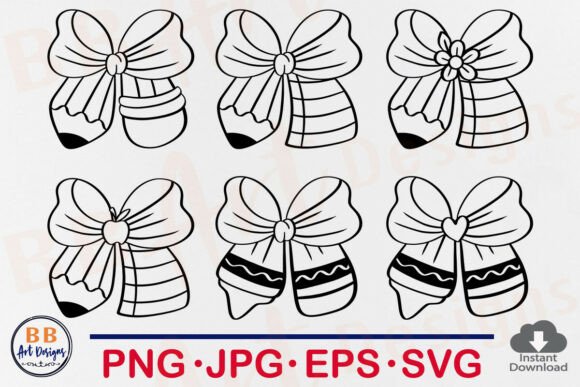
The mood here is clear—it’s a warm, affectionate nod to educators, wrapped in a distinctly coquette style. That combination creates a visual personality that’s both charming and specific. It feels destined for heartfelt projects, not generic merchandise. The shape and theme suggest a layout that would translate well into embroidery, with elements likely to allow for clean satin stitches and defined details. My designer’s eye sees this fitting perfectly onto items meant to convey personal appreciation, like a custom pillow cover for a retiring teacher or an embroidered tote bag for a favorite tutor.
Where This Design Shines in Real Projects
Imagine you’re preparing a batch of boutique-quality tea towels as holiday gifts for a school staff. The Teacher Coquette Teach SVG, stitched in a soft pink and cream thread palette, would elevate a simple towel into a cherished keepsake. The design’s inherent sentiment boosts the giftability factor immensely.
For small business merchandise, this file could anchor a lovely product line. Think embroidered sweatshirts for teacher appreciation week, delicate patches for denim jackets, or even subtly decorated aprons. On baby clothes or nursery decor items for a teacher expecting her own child, it adds a personalized layer that customers love. In a commercial embroidery context, such as custom orders for school fundraising groups, it offers a ready-made, professional-looking design asset that communicates trust and recognition.
A Natural Fit for Apparel and Home Decor
The application list is robust. This isn’t a design confined to one niche. It would perform beautifully on:
- Custom apparel: T-shirts, polo shirts, or the left chest of a sweatshirt.
- Home goods: Pillow covers, kitchen towels, or lightweight blankets.
- Accessories: Tote bags, caps, and reusable market bags.
- Baby items: Bibs, burp cloths, or a small wall hanging.
- Printable mockups: For your Etsy listings or digital product previews, the SVG allows clean graphics to showcase the finished product concept.
The key is matching the design’s sweet aesthetic with a product that supports it. A densely woven cotton tote bag would provide a stable canvas for the details, whereas a stretchy knit cap requires more careful planning.
Points for Careful Consideration Before Hooping
This is where practical judgment comes in. Based on the style, I’d advise a few thoughtful checks before running your machine.
First, small details and lettering. The “coquette” aesthetic often involves finer elements. If the design includes tiny script or intricate corners, test it on scrap fabric first. Assess the stitch density—too dense on a thin fabric like a tea towel could cause puckering. For dark fabric backgrounds, you’ll need to review thread color contrast carefully; a light thread on a dark shirt might need an underlay or different stitch type for clarity.
Second, fabric texture and surface. Highly textured fabrics like some blankets can obscure finer details. Curved surfaces like caps demand excellent stabilizer to keep the design distortion-free. And for any product destined for frequent washing, like a baby garment, ensure the stitch structure is robust enough to endure.
How It Influences Your Craft Business
Using a design like Teacher Coquette Teach SVG affects more than just the stitchout. It influences your product’s perceived value. A well-executed embroidery of this theme on a high-quality sweatshirt immediately feels like a premium, handmade product. It strengthens brand consistency for shops focused on gifts or educator appreciation. For the customer, it enhances engagement—they see a thoughtful, finished product, not just a graphic. That builds trust and can turn a one-time buyer into a repeat client.
Practical Notes for the Embroidery Designer
Here’s my standard pre-flight checklist, which applies perfectly here:
- Always stitch a test run on a scrap of your intended fabric. Check for any thread breaks or awkward jumps in the design.
- Verify your hoop size. Does the design require a larger hoop for all details, or can it fit a smaller one for items like baby clothes?
- Inspect the SVG file in your software. Look at the paths to anticipate where fill stitches or satin stitches will be applied.
- Create black and white mockups, as well as light and dark background previews. This helps visualize final appeal.
- Use the proper stabilizer for your fabric choice. This is non-negotiable for achieving crisp results.
- Crucially, confirm the licensing. The product description states it’s a digital product for instant download, but it does not specify license terms. Before selling any finished items or using this file in commercial embroidery projects, you must verify the license included with the download. Clarify whether it permits physical product sales, commercial use, or is for personal use only.
Remember, an SVG file is a vector graphic, which gives you excellent scalability for different project sizes, but your embroidery machine software will convert it into stitches. The final stitch count, machine compatibility, and exact hoop sizes will be determined by that conversion and your settings.
The Final Stitch: A Design with Heart and Purpose
Evaluating Teacher Coquette Teach SVG from a project-ready standpoint leaves me optimistic. It’s a design with a clear emotional target, which is a powerful starting point for any embroidered product. Its potential to create high-value, personalized gifts and boutique merchandise is significant. By approaching it with a professional’s practical mindset—testing diligently, choosing suitable products, and ensuring proper licensing—you can transform this digital graphic into a tangible item that truly resonates. It’s about taking that coquette charm from the screen and stitching it into something real, something that a teacher, a customer, or a recipient will hold and appreciate. That’s the real project success.