Putting the Baseball Mascot SVG to the Test
When a new embroidery file lands in my digital library, the first thing I do is imagine it stitched out. I’m not looking at pixels on a screen; I’m thinking about thread on fabric, how it will feel in a hoop, and what kind of product it will become. Today, I’m evaluating the Baseball Mascot SVG with that practical lens. Let’s walk through what this design offers for real project use.
The First Impression: A Design Built for Team Spirit
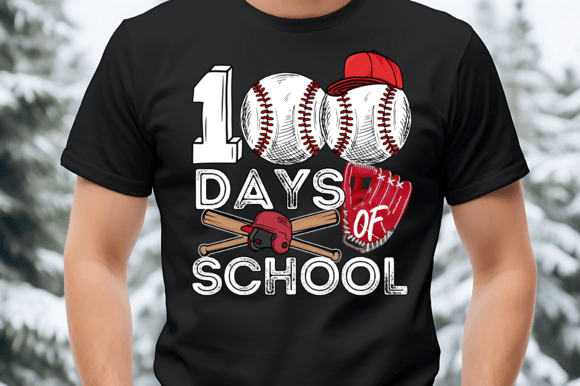
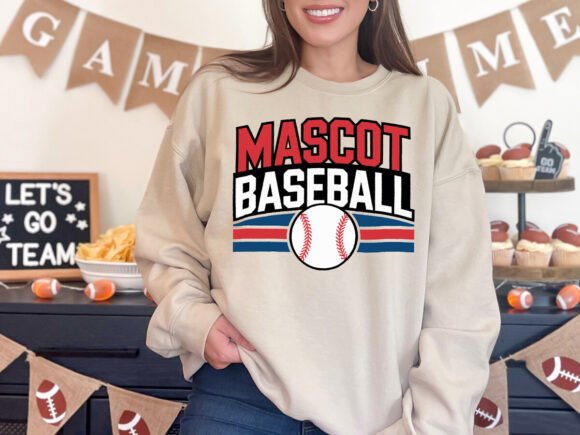
Opening this file, the mood is immediately clear: energetic, friendly, and proudly sporty. The mascot character has that classic, bold silhouette you want for school spirit or a custom team logo. It’s not overly detailed or fussy, which is a huge advantage for embroidery. The shape is solid, with clear boundaries that will translate beautifully into satin stitch outlines or clean fill stitch areas. This visual personality isn’t trying to be delicate; it’s built for recognition and impact. I can already picture it on the back of a sweatshirt or centered on a tote bag—it belongs on items meant to be seen and celebrated.
Where This Mascot Shines in Your Project Lineup
This is a versatile graphic. For my own work, I’m considering it for a custom embroidered tote bag for a local little league fundraiser. The bold, clean lines promise a crisp finished product that will hold up to daily use. But the applications go far beyond that.
Think about custom apparel: this design would be a star on youth team sweatshirts, adult league t-shirts, or even branded caps. Its clear, non-complex layout means it won’t get lost on a curved cap surface. For small business merchandise or Etsy listings, it’s perfect for creating a line of school spirit products—think embroidered pillow covers for a fan’s den, tea towels for a sports-themed kitchen, or patches for backpacks.
As a personalized gift, it’s a winner. Embroidered on a baby blanket for a newborn whose family is all about baseball, or stitched onto an apron for a grill master, it adds that handmade, thoughtful touch. The design’s inherent energy boosts the gift’s appeal. For craft fair products or boutique branding, this mascot graphic provides a cohesive, professional look that customers trust. It feels intentional, not generic.
Navigating the Tricky Embroidery Terrain
Every design has its sweet spots and its caution zones. The Baseball Mascot SVG, with its likely bold areas, requires some smart planning.
On small hoop sizes, you need to be mindful. Any tiny lettering or very detailed corners within the design might need simplification or might not stitch clearly at a very small scale. Always test on scrap fabric first. Textured fabrics like some blankets or stretchy fabrics like performance tees demand proper stabilizer choice to keep that mascot shape sharp.
If you’re working on dark fabric, thread color contrast is critical. A test in a black-and-white digital mockup can help you visualize this before committing thread. Also, consider stitch density in any large fill areas; too dense on a thin fabric can cause puckering. For products needing frequent washing, like baby clothes or kitchen towels, a robust, tight stitch construction is key—again, a test run tells you everything.
How This Design Translates to Customer Perception
Here’s the real test: how does the embroidered final product look to a buyer or recipient? Using a design like this correctly elevates your work. The clarity of the mascot translates to stitching clarity on the item, which directly boosts perceived product value. A clean, well-executed embroidery job on a great graphic builds immense customer trust and makes your handmade presentation professional.
For brand consistency, if you’re creating a series of team products, this file provides a strong, recognizable anchor. Its giftability is high because it taps into a shared passion. And for buyer engagement in an online shop, a crisp embroidered patch or sweatshirt embroidery shown in your photos looks far more appealing than a flat graphic.
A Designer’s Practical Notes Before You Hoop Up
Before I run any embroidery file, especially one I plan to use for commercial embroidery or sell as a finished product, I follow a checklist. For the Baseball Mascot SVG, here’s my mental run-through.
- Test on Scrap Fabric First: This is non-negotiable. Use the same fabric and stabilizer you intend for the final project. Check for stitch integrity, especially in any small details.
- Check Thread Color Contrast: Run visual tests for both light and dark fabric backgrounds. The design’s mood can change with different palettes.
- Review the Design Scale: Confirm it works in your intended hoop size. Does it need to be scaled down for a cap or up for a blanket? How do the details hold up?
- Inspect File Layers: As a digital embroidery file, understanding how the layers or elements are separated (if applicable) can help you plan thread changes or applique approaches.
- Confirm Licensing: The product listing mentions multiple file formats (SVG, JPG, PNG, EPS, PDF, AI), which is excellent for flexibility. Before selling any physical product made with this design or using it in digital product previews, always verify the license terms. Don’t assume; check.
- Consider the End Product’s Life: Will it be washed often? Worn on stretchy fabric? Displayed indoors? Your stabilizer and stitch type choices should match.
The Final Stitch: A Robust Asset for Your Toolkit
Stepping back from the screen and looking at the Baseball Mascot SVG as a potential embroidery project, I’m confident. It’s a graphic with a strong, applicable theme and a construction that lends itself well to the constraints and opportunities of machine embroidery. It won’t solve every project need—it’s not a delicate floral for a bridal handkerchief—but for its niche in sports, school spirit, and energetic personalization, it’s a powerful asset.
For craft businesses, Etsy sellers, and creative entrepreneurs, it provides a professional-quality starting point for a whole range of products. For hobbyists making personalized gifts, it offers a design that will stitch out cleanly and impress the recipient. The key, as always, is in the thoughtful application: testing, planning, and matching the design’s strengths to the right fabric, product, and purpose. With that approach, this mascot is ready to play ball on your next embroidery project.