Evaluating the School Bus Driver Design for Real Projects
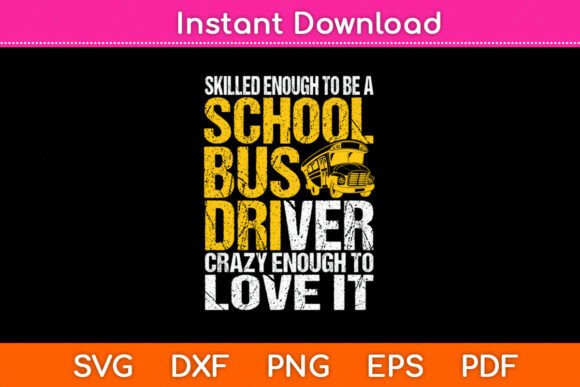
When a new design file lands in my library, my first question isn't about the technical specs. It's about its character. Skilled Enough to Be a School Bus Driver immediately presents itself as a design with a specific, confident personality. It's not a generic floral motif or a vague inspirational quote. This is a statement with a playful, proud edge, built around a recognizable symbol. The theme itself creates a mood of earned respect and lighthearted expertise.
The Design's Natural Habitat: Where This Graphic Thrives
From a professional embroidery standpoint, this isn't a design I'd automatically slap onto every product. Its strength lies in its niche. I imagine it instantly on a custom tote bag for a retiring bus driver—a practical, daily-use item that carries the message proudly. It feels perfect for a personalized sweatshirt, maybe as a gift from a school PTA to a beloved driver. The layout and detail level suggest it would translate beautifully into an embroidered patch, offering a tactile badge of honor that could be applied to a cap or a jacket.
Thinking through my client work and small shop merchandise, this design resonates strongly in the realm of personalized gifts and boutique products targeting educators, school staff, and parents. It has that "giftability" factor. On a baby onesie for a bus driver's new grandchild? It would be a charming, personal touch. On a kitchen towel or apron for someone who loves the profession? It adds a unique, conversational element to a functional item.
Stitching It Into Reality: Practical Performance Considerations
Moving from the idea to the hoop, I consider how Skilled Enough to Be a School Bus Driver will actually perform when the needle starts moving. The clarity of the message is paramount. In embroidery, tiny lettering can become a muddled mess if the stitch density is too high or the font isn't optimized for thread. While I can't see the exact file details, the design's concept suggests testing it on scrap fabric first, especially to check the readability of the text against the bus graphic.
Fabric choice will dramatically affect its visual appeal. On a dark fabric, like a navy sweatshirt, thread color contrast is critical—bright yellows and whites for the bus, a crisp color for the text. On a light-colored baby blanket or pillow cover, the contrast shifts, potentially allowing for softer colors while maintaining clarity. Textured fabrics, like some tote bag materials, might require a more robust stabilizer to keep the details, particularly the bus shape, sharp and clean.
Navigating Potential Stitching Challenges
There are places I'd use this design carefully. On a curved surface like a cap, the layout might need adjustment to avoid distortion. If the design has very dense fill stitch areas within the bus graphic, it could become overly stiff on stretchy fabrics like t-shirts, affecting comfort and durability after frequent washing. This is a consideration for apparel decorators aiming for a premium handmade presentation. Similarly, in very small hoop sizes, the detail level might need simplification to maintain stitching clarity and professional quality.
For craft business items and commercial embroidery projects, these practical tests directly impact customer trust and brand consistency. A blurry or poorly stitched design on a sold product undermines the entire value. Therefore, comparing how it looks in both light and dark fabric mockups before production is a non-negotiable step.
Beyond the Stitch: Impact on Product Value & Engagement
This design isn't just a graphic; it's a conversation starter. From a seller's perspective, that's a valuable asset. On an Etsy listing or craft fair product, an embroidered tote bag featuring Skilled Enough to Be a School Bus Driver has immediate recognition and emotional pull for a specific audience. It feels more targeted and thoughtful than a mass-market generic design, which can enhance buyer engagement for creative entrepreneurs.
For digital product sellers offering this as a design asset, providing clear, realistic printable mockups showcasing it on various products—aprons, pillow covers, tea towels—helps potential buyers visualize its application. Its strength as a commercial embroidery file lies in its clear theme. It supports professionalism when used appropriately, because it speaks directly to a community.
Essential Designer Notes Before You Hoop
My final thoughts before using this in a real project always circle back to preparation. Always, always test on scrap fabric that matches your final product material. Review the stitch density in your embroidery software preview if possible—does the bus graphic look overly saturated, or will it stitch out with clean edges? Inspect the small details in the lettering; are the corners of the fonts sharp enough to translate into satin stitch or running stitch?
Confirm your hoop size can accommodate the entire design without cramping it. Use the proper stabilizer for your chosen fabric—this is not a step to skip. And crucially, for anyone intending to sell finished items or digital products, confirm the licensing terms for this graphics file. Does it allow for commercial use of the embroidered finished product? This is the bedrock of a legitimate craft business.
Skilled Enough to Be a School Bus Driver has a defined place in the embroidery world. It’s a design that, with careful practical application, can turn into a heartfelt personalized gift, a standout piece of custom apparel, or a clever addition to a small shop’s merchandise lineup. Its value isn't in being everything to everyone, but in being the right, well-executed thing for someone.