A Smart Celebration Design for Crafters and Clients
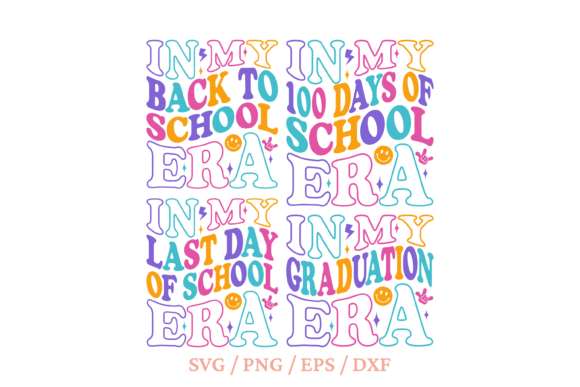
When I first opened the In My 100 Days of School Era Shirt Svg, my immediate thought was about its mood. It’s playful and celebratory, with a clean, modern layout that feels both current and nostalgic. The theme taps into a genuine milestone—the 100th day of school—which is a big deal for kids, teachers, and proud parents. The design’s personality is confident and fun, perfect for creating a product that feels like a genuine keepsake rather than just another generic graphic.
The Right Project for This Embroidery Design
This isn’t a design I’d use on everything. It has a specific, wonderful purpose. I picture it embroidered on a cozy, mid-weight sweatshirt for a teacher, or on a tote bag a student uses to carry their projects. It would shine on a baby’s romper if it’s for a “future scholar” gift, or as a standout patch on a backpack. The clean lines and bold statement make it ideal for items meant to be seen and celebrated. In my workflow, I’m already thinking about a custom order for a local boutique: a series of embroidered pillow covers for a teacher’s lounge, using this design. It feels like it would add a touch of handmade warmth and recognition to that space.
How It Translates From File to Stitched Fabric
Moving from the digital file to the actual embroidery project is where a designer’s practical judgment comes in. The provided formats—SVG, EPS, DXF—are solid for working with various machines and software. The fact that it averages around 11″ at its tallest point gives us a good starting scale. On a sweatshirt, that’s a statement size. On a cap, you’d need to scale it down significantly, but the bold, relatively simple shapes should adapt well without losing clarity.
The real test is on the fabric. I’d run a test on scrap fabric first—a medium-weight cotton canvas, similar to a tote bag, and perhaps a piece of jersey knit to simulate a t-shirt. This tells me about the stitch density. Areas with large fills will need proper stabilizer to prevent puckering, especially on stretchy fabrics like t-shirts. The text element, “In My 100 Days of School Era,” is clear and not overly intricate, which is a relief—tiny lettering can be a nightmare on some machine embroidery designs. I’d recommend using a crisp satin stitch for the lettering and a solid fill stitch for the larger shapes to ensure visual appeal and stitching clarity.
Where This Design Builds Product Value
From a small business owner’s perspective, using a design like this effectively boosts product value. It’s specific enough to feel personalized, yet universal enough to have a market. A parent looking for a personalized gift for their child’s teacher will instantly connect with it. That connection builds customer trust. When your handmade product resonates emotionally, it elevates the entire presentation. For an Etsy seller or someone preparing craft fair products, this design can anchor a whole category of “Teacher Appreciation” or “School Celebration” items in your shop, aiding brand consistency.
The giftability is high. It’s not just another decoration; it marks an achievement. This recognition is powerful. Embroidering it on a nice tea towel for a teacher, or on a blanket for a child, turns a simple item into a commemorative piece. That practicality mixed with meaning is what clients love.
Scenarios That Require a More Careful Approach
While the design is adaptable, some applications need extra thought. On very small hoop sizes, the details could get cramped. If you’re putting it on a child’s small cap, scaling down meticulously is key. Dark fabric requires careful thread color contrast planning—bright, opaque whites or light colors will be necessary to make it pop. I’d avoid highly textured fabrics where the stitch definition might get lost.
For items destined for frequent washing, like baby clothes or kitchen towels, you need to ensure the stitch structure is robust. Tight fills and secure stitch paths will hold up better over time. Also, working on curved surfaces like caps demands good stabilizer and possibly adjusting the design layout to fit the curve without distortion. These are the practical realities that separate a good digital file from a great finished product.
Essential Notes for the Embroidery Designer
Before running this for a client or listing it in my shop, I follow a personal checklist. Always test on scrap fabric first. Check the thread color contrast on both light and dark fabric backgrounds—sometimes a design looks perfect on screen but needs a slight color adjustment on actual material. Inspect the small details in the test run; are any corners too sharp or details too dense for my machine or chosen fabric?
I also create simple black and white mockups to see the pure shape and layout, which helps with placement. Using proper stabilizer for the specific fabric type is non-negotiable; it preserves the design’s integrity. Crucially, I verify the licensing. The description states the files can be used for scrapbooking, cut machines, and printable decoration. For us in the embroidery space, that typically covers personal use. However, if I intend to sell the finished product—the embroidered tote bags or sweatshirts—I need to confirm that commercial use is permitted. Never assume; always check the specific license terms provided with the digital embroidery file.
This kind of due diligence protects my craft business and ensures my clients get a professional, durable item. The In My 100 Days of School Era Shirt Svg has the potential to be a standout design in a maker’s portfolio. Its strength is its clear purpose and clean execution. By applying these practical embroidery insights, you can transform it from a digital design asset into a beloved, tangible piece that truly celebrates a milestone.