A Professional's Take on the Teacher Valentine Embroidery Design
Every designer knows that the true test of a file isn't in the preview on your screen, but in the stitches on the fabric. When considering a new embroidery design for real project use, client work, or your own product line, you have to think beyond the digital download. You have to envision the finished piece. That’s the lens I’m using to look at this Teacher Valentine PNG SVG.
The First Impression: Where This Design Belongs
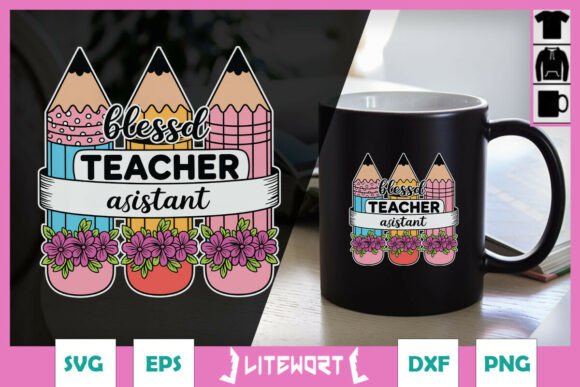
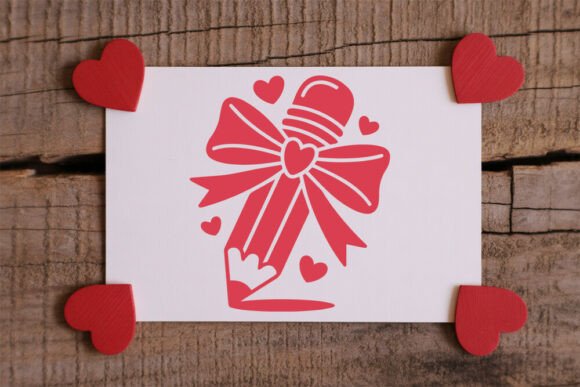
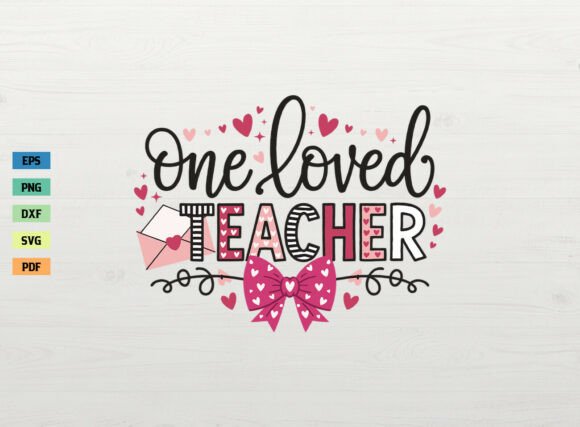
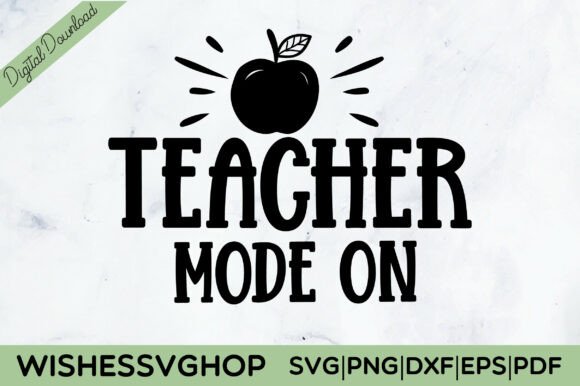
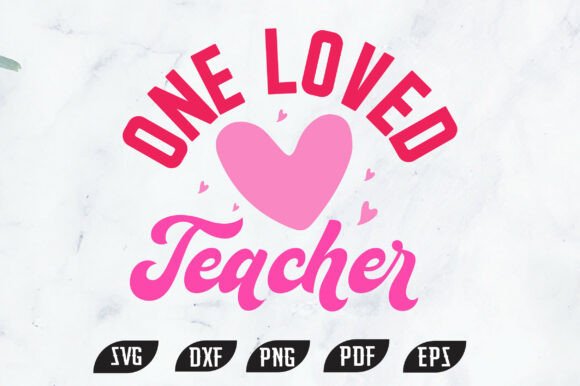
Opening this file, you immediately get a sense of its purpose. It’s a straightforward, heartfelt graphic with a clear theme. The layout is balanced, and the detail level appears manageable—not overly dense, which is a good sign for clean stitching. The visual personality is friendly and appreciative, perfect for creating a sense of warmth and recognition. This isn’t a complex, artistic piece; it’s a functional, emotional one. It naturally belongs on gifts, on personalized items meant to convey a simple, sincere message.
I picture it on a cozy, well-worn teacher’s sweatshirt, or perhaps a canvas tote bag they carry every day. It feels right for a classroom-themed apron or a decorative pillow cover for a reading nook. The mood it creates is one of gratitude, making it an ideal candidate for holiday gifts, end-of-year presents, or even boutique merchandise for a small shop focusing on educator appreciation.
Performance in Real-Life Embroidery Situations
Let’s walk through a real case. Imagine you’re preparing a custom embroidered tote bag as a gift for a favorite teacher. You’ve chosen a nice, medium-weight canvas. How would this Teacher Valentine design perform?
On custom apparel like sweatshirts and t-shirts, provided you use proper stabilizer, the design should stitch out cleanly. The likely use of satin stitches for main elements and fill stitches for larger areas needs careful thread color contrast planning, especially on light fabrics. On baby clothes or delicate items like tea towels, you'd want to be mindful of stitch density to avoid a stiff, uncomfortable finish.
For caps or hats, with their curved surfaces, the design’s layout would need to be checked in your software to ensure no small details get lost on the crown curve. As a potential embroidered patch, it could work very well, adding a handmade presentation to a jacket or bag. For commercial embroidery projects, like a small batch for a school fundraiser, the design's clarity would support quick, consistent production, boosting customer trust in the product's quality.
The Visual Appeal and Practical Value
Once stitched, this design’s success hinges on its visual clarity. Simple, recognizable graphics often stitch with better definition than overly intricate ones. This directly affects product value and buyer engagement. A clean, professional-looking embroidered item feels more giftable, more trustworthy. For Etsy sellers and craft business owners, that finished look is what sells the product in your listings and printable mockups.
It supports brand consistency for shops specializing in educator or holiday-themed goods. For the creative entrepreneur, it’s a reliable digital design asset for a specific niche. The recognition factor is high—the theme is immediately understood, which is a commercial advantage.
Where to Exercise Caution
Even with a promising design, practical judgment calls are necessary. There are situations where this Teacher Valentine PNG SVG should be used carefully.
On very small hoop sizes, any tiny lettering or detailed corners might become muddled. Embroidering on textured fabrics like certain knits, or on thin, stretchy fabric, demands extra stabilizer attention to prevent puckering. Dark fabric backgrounds require a thoughtful shift in thread color palette to maintain that visual appeal and stitching clarity.
On products that need frequent washing, such as kitchen towels or everyday apparel, you’d want to test the stitch integrity and potentially avoid very dense stitch areas that could wear faster. The design’s decorative accents should hold up, but always verify on a scrap first.
Notes from the Embroidery Designer's Bench
Before you run this file for a real project, here’s my standard checklist. It’s what I do, and what I advise any maker to do.
- Test on scrap fabric first. Use the same material and stabilizer you plan for the final product. This reveals everything about stitch density and thread behavior.
- Check thread color contrast. Run mental—or actual—tests in black and white mockups. How do the elements separate? Compare how it looks on light and dark fabric backgrounds in your design software.
- Review the design in your embroidery software. Inspect small details, confirm the hoop size needed, and look at the stitch paths. This is crucial for curved surfaces like caps.
- Confirm the licensing. The product description states it’s a digital download for your purchase. Before selling finished items or using it in commercial embroidery projects, always verify the specific license terms included with the file. It’s a fundamental step for digital product sellers.
- Use proper stabilizer. Match it to your fabric texture. This single step is the biggest factor between a puckered mess and a professional finish.
Remember, this is a Graphics product from the Crafts category. You are receiving a digital embroidery file. The description notes it includes an SVG and a DXF file. Your machine embroidery design process will start from these. Always ensure your machine compatibility and software can handle these formats for a smooth transition from digital asset to embroidered reality.
The Final Stitch: A Design for Purposeful Projects
In summary, the Teacher Valentine PNG SVG strikes me as a practical, purpose-driven design. It’s not for every project, but for the ones where a clear, affectionate message is the goal. It would fit beautifully into a line of handmade products for educator appreciation, personalized gifts from students or parents, or small shop merchandise around holidays like Valentine’s Day or Teacher Appreciation Week.
Its strength is in its straightforward emotional resonance. In the hands of a knowledgeable maker who follows those practical steps—testing, stabilizing, and checking details—it can produce a finished product that feels both heartfelt and professionally made. That combination is what turns a simple digital download into a valued custom apparel piece, a cherished embroidered patch, or a successful item in your craft business.